Mastering the tactical execution of strategic deception at the card table often forces players to confront their deepest psychological barriers. When you intentionally project strength while holding weak cards, you enter a highly vulnerable space that mirrors how you handle intense pressure in everyday life. This unique mental challenge transforms ordinary competitive gameplay into a powerful mirror for personal self-awareness and emotional regulation.
Facing Your Emotional Triggers Under Pressure
Choosing to execute a complex deceptive play immediately spikes your physiological responses and tests your inner composure. Many competitors fail to notice how quickly anxiety or sudden excitement can compromise their physical tells during high-stakes moments. Observing these involuntary behavioral shifts provides essential insights into how you manage sudden stress outside of the gaming environment.
When you learn to regulate your breathing and maintain a steady demeanor during an aggressive play, you develop stronger cognitive control. This active discipline helps you recognize whether your choices are driven by rational calculations or sudden emotional impulses. Over time, managing these tense table scenarios builds a resilient mindset capable of navigating real-world conflicts with complete confidence.
Understanding Your Relationship with Risk and Control
Every calculated bet you place with a marginal holding reveals your underlying attitude toward uncertainty and financial exposure. Some individuals discover an unexpected tendency to panic, leading to reckless movements or premature surrenders when challenged by rivals. Others find that they crave complete authority over the game flow, even when the community cards favor their opponents.
Analyzing these behavioral patterns allows you to evaluate your natural boundaries and tolerance for taking calculated risks. For enthusiasts looking to explore competitive platforms to test their strategic boundaries, visiting M88 provides a dynamic environment to observe personal tendencies under pressure. Recognizing your immediate response to potential losses helps you transition from emotional guesswork to deliberate risk management.
The Power of Objective Self-Reflection
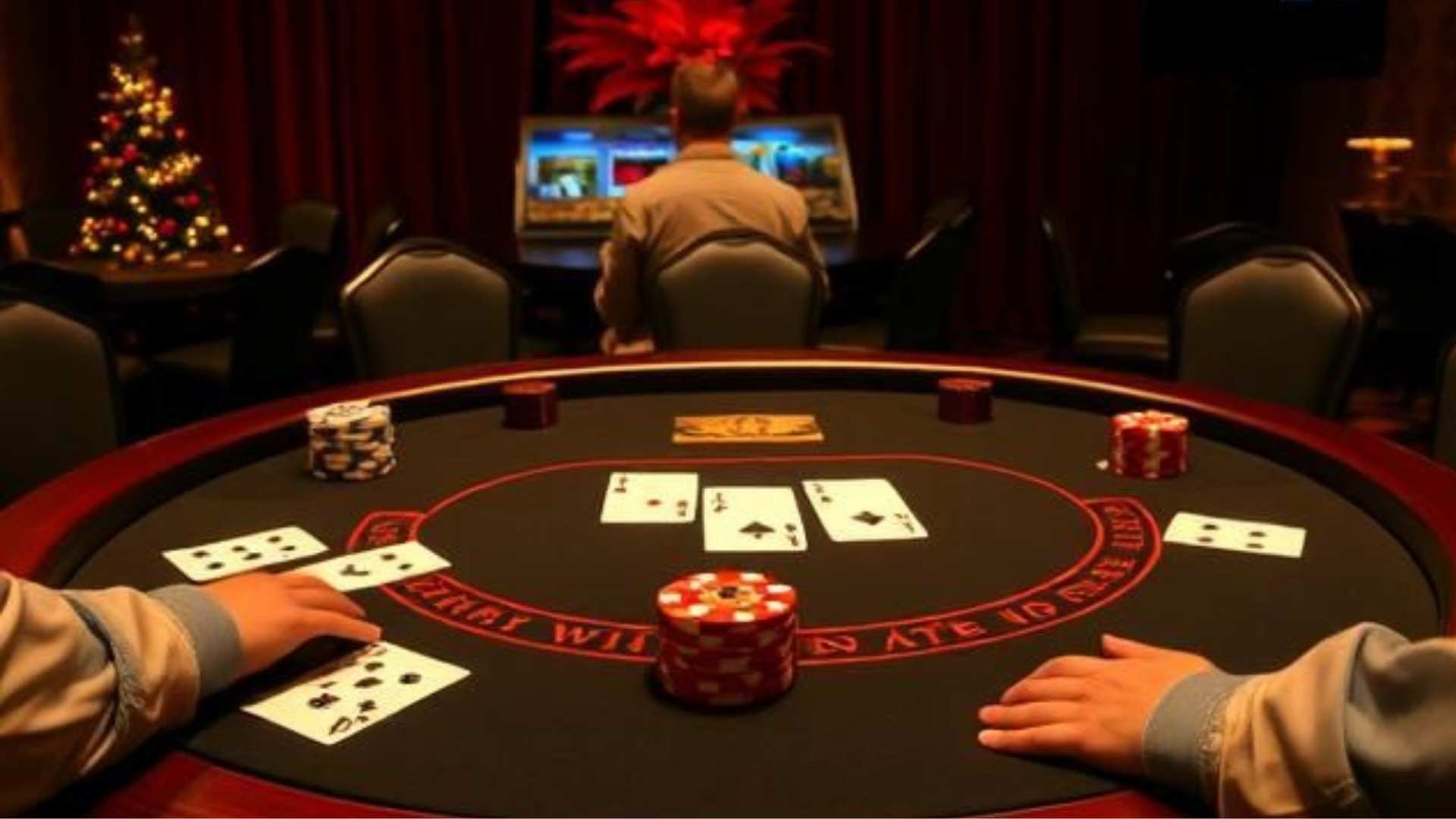
True expertise in executing an unexploitable strategy requires moving past simple intuition and developing deep self-awareness. You must understand how your past actions shape your current reputation among observant competitors who track your overall betting frequencies. Evaluating this table image forces you to see yourself objectively through the analytical perspective of your opponents.
This cognitive exercise bridges the gap between your intended narrative and the actual impression you project to the world. Acknowledging these subtle details ensures that your aggressive actions remain aligned with the mathematical realities of the board structure. Ultimately, the lessons gathered from these tense interactions teach you to trust your analytical thinking over unpredictable short-term outcomes.
Building Confidence Through Cognitive Adaptation
Consistently engaging in tactical deception trains the brain to remain flexible when faced with incomplete information. You begin to appreciate that mistakes are not personal failures, but rather valuable data points for long-term strategic growth. Shifting your mindset away from results-oriented thinking allows you to appreciate the intrinsic value of the decision-making process itself.
This mental agility translates seamlessly into professional environments where decisive leadership and clear communication are essential. By discovering how you react when your back is against the wall, you cultivate an authentic sense of confidence. Every deliberate choice to represent strength ultimately serves as an opportunity to master your own mind.