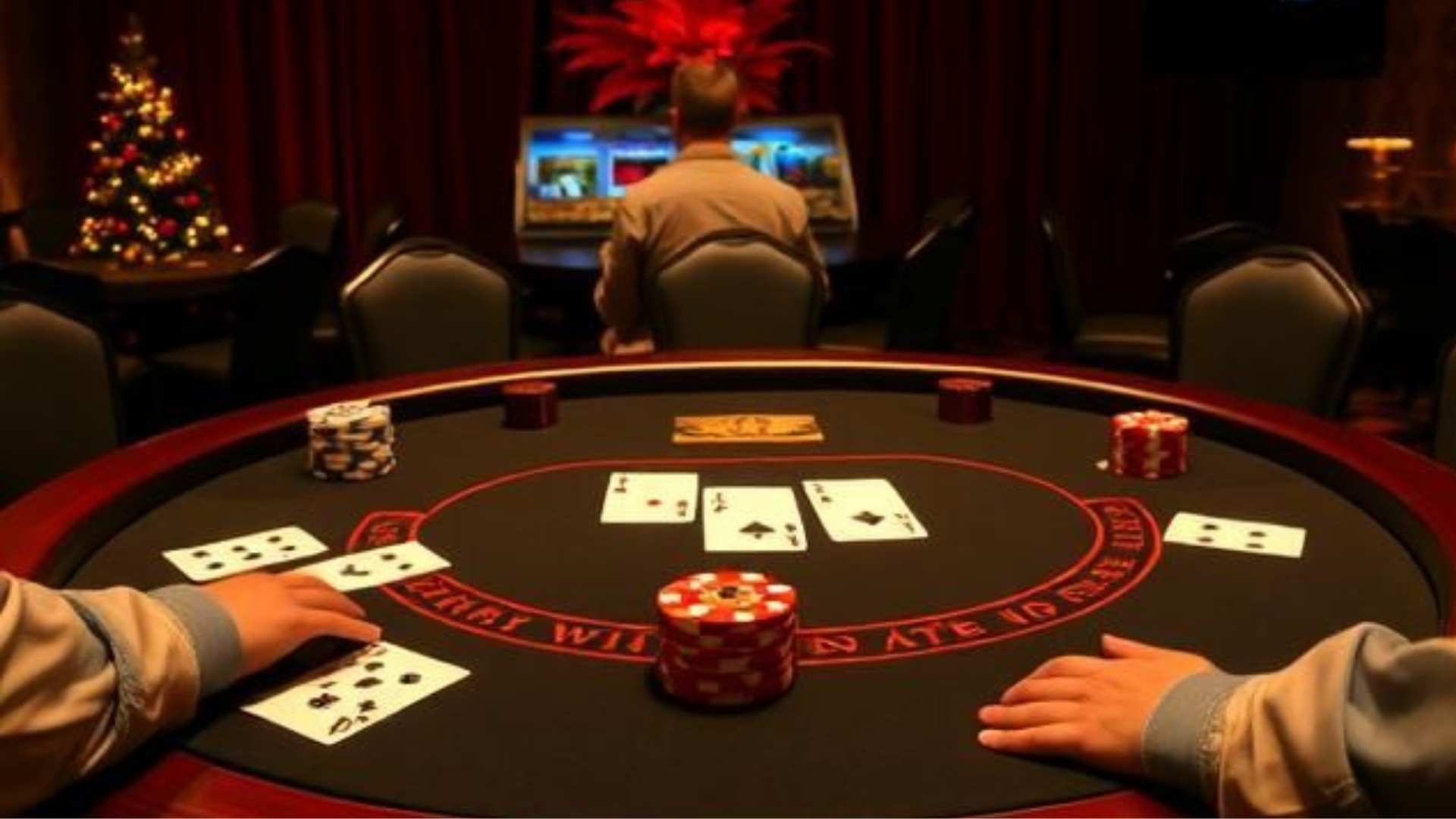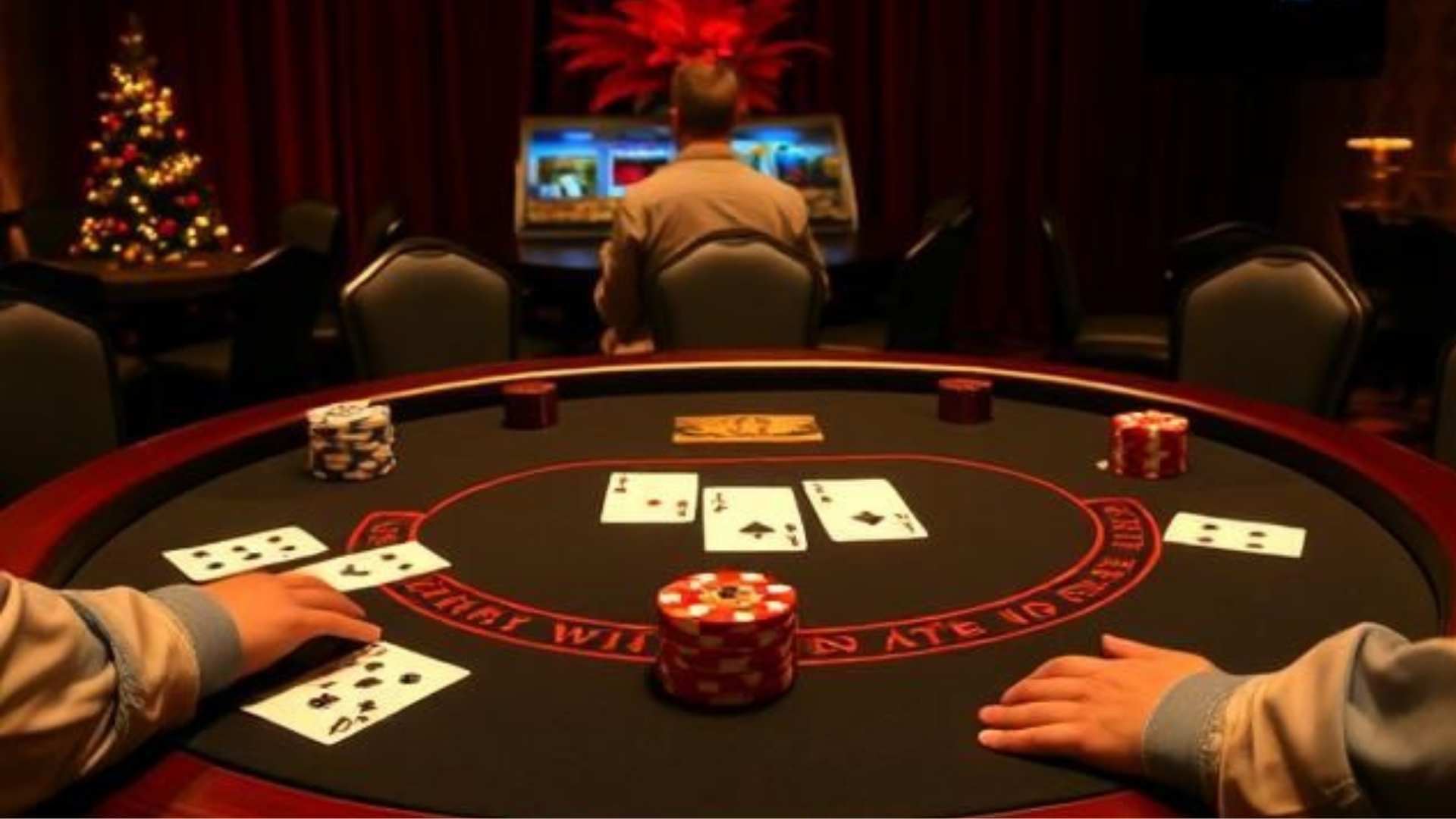
Engaging in mentally stimulating activities is widely recognized as an effective approach to preserving long-term cognitive functions and memory health. The classic trick-taking card game of contract bridge serves as an outstanding vehicle for this mental exercise, demanding constant strategic adaptation from its participants. By committing to regular sessions, players can systematically refine their logical processing and decision-making speed.
The Core Mechanics of Cognitive Flexibility
Every fresh hand dealt at a duplicate table introduces an entirely unique set of hidden variables and distribution patterns. Participants must quickly analyze incomplete data during the auction phase to determine the optimal partnership contract level. This constant shifts in situational dynamics trains the human brain to manage high-pressure choices with absolute precision.
Furthermore, evaluating defensive responses requires a high degree of cognitive agility to protect vulnerable suits. Practicing these deductive methods consistently ensures that your reasoning capabilities remain active and highly resilient against mental fatigue. Many enthusiasts actively browse the M88 digital platform to explore challenging card systems that enhance strategic processing and problem-solving skills.
Enhancing Working Memory Retention
Succeeding in competitive card variants depends heavily on tracking high-value cards that have already dropped onto the table. Declarers must maintain an accurate mental layout of remaining distributions to anticipate potential defensive finesses or trump splits. This continuous retention process expands your active working memory over time, providing significant benefits in everyday problem-solving scenarios.
For beginners, focusing on a single suit or monitoring just one opponent's hand simplifies the tracking process while building foundational accuracy. As observation skills improve, managing the entire table layout becomes a seamless routine that naturally reduces technical errors. This regular mental discipline keeps the brain sharp and highly focused across diverse conditions.
Collaborative Communication and Synergy
Unlike solitary puzzle games, bridge relies entirely on structured cooperation and unspoken partnership agreements between two distinct individuals. Partners exchange critical hand evaluations through a formalized language of bids without breaking strict competitive rules. Developing an intuitive understanding of your teammate's signals builds profound technical trust and smooth tactical execution.
Analyzing modern bidding conventions helps alliances navigate complex competitive interventions from aggressive opponents. When both players think as a unified strategy engine, securing advanced game bonuses becomes much more consistent. This collaborative aspect adds a highly rewarding layer of social interaction that supports overall emotional health.
Building a Daily Training Routine
Integrating short tactical practice sessions into your morning schedule provides a fantastic cognitive workout before tackling professional responsibilities. Modern mobile applications and online card rooms allow fans to participate in quick duplicate challenges at any hour. These accessible formats make it simple to maintain consistent training habits without committing to long multi-day tournament structures.
Tackling bite-sized card dilemmas helps build long-term stamina and prevents cognitive stagnation over time. Every round serves as a fresh intellectual clean slate where calculated patience outweighs random distribution luck. Embracing this classic mind sport ensures a balanced lifestyle focused on continuous personal development.